## Domain Status: Why It Matters More Than Most Site Owners Realize
A website can look healthy on the front end while quietly accumulating problems behind the scenes. DNS misconfigurations, SSL certificate expiration, accidental noindex tags, and hosting outages often surface first through **Domain Status** changes long before traffic drops become obvious. For teams running revenue-generating sites, that early signal can be the difference between a minor fix and a costly outage. The shift toward always-on digital services has made uptime a business metric rather than a technical detail. In 2024, even short interruptions can affect search visibility, conversions, support volume, and brand trust. A one-hour outage on a high-traffic ecommerce site can mean thousands of abandoned carts; on SaaS platforms, it can trigger SLA penalties and customer churn. That is why modern operations teams now treat domain and availability checks as part of routine governance, not a one-time setup task. ## How Domain Status Reveals Hidden Infrastructure Issues At the DNS level, a domain can appear active while still pointing to a stale origin server, an expired load balancer, or a misrouted CDN edge. In practical terms, **Domain Status** checks help teams detect whether a site is resolving correctly, whether the registrar lock is enabled, and whether authoritative name servers are responding as expected. These checks are especially useful after migrations, domain transfers, and security incidents. A real-world example: when organizations move from a single server to multi-region hosting, DNS propagation delays can create temporary inconsistencies. If one region serves a new application version while another still points to the old stack, users may see mixed content, broken login sessions, or inconsistent caching behavior. Continuous monitoring catches those issues faster than manual testing ever could. ## Website Monitoring Tools and the Shift to Continuous Verification The best **Website Monitoring Tools** no longer just ping a homepage. They verify DNS resolution, HTTP status codes, TLS certificate validity, response times, redirect chains, and key user flows such as checkout or login. More advanced platforms also check from multiple geographic regions, which matters because a site can perform well in North America and fail in Asia-Pacific due to routing or CDN edge problems. According to industry reports from the last few years, uptime expectations commonly range from 99.9% to 99.99%, but those figures leave very different amounts of downtime on the table. Domain Lookup At 99.9%, a service can be unavailable for about 43 minutes per month; at 99.99%, that drops to roughly 4 minutes. For organizations with global customers, that gap is operationally significant. ### Practical signals worth tracking – DNS response latency and NXDOMAIN errors – SSL certificate expiration windows – HTTP 4xx and 5xx trends – Page load time and Time to First Byte – Redirect loops and canonical tag changes – Core user actions such as form submission or payment confirmation ## Site Performance as a Business Metric, Not Just a Technical One **Site Performance** affects search rankings, ad efficiency, mobile engagement, and revenue. Google has publicly emphasized page experience signals for years, and the industry has increasingly tied performance optimization to Core Web Vitals. A page that loads in under 2.5 seconds generally provides a better user experience than one that takes 5 seconds or more, especially on mobile networks where latency compounds quickly. This is not abstract theory. Retail studies have repeatedly shown that slow pages reduce conversion rates, and internal analytics from large publishers often reveal higher bounce rates when render times rise beyond a few seconds. Teams that reduce image payloads, defer noncritical JavaScript, and adopt CDN caching frequently see measurable gains in engagement. In one common scenario, compressing hero images and eliminating render-blocking scripts can shave more than 1 second off mobile load times, which is enough to improve user retention on content-heavy sites. ## Website Trends Shaping Monitoring in 2025 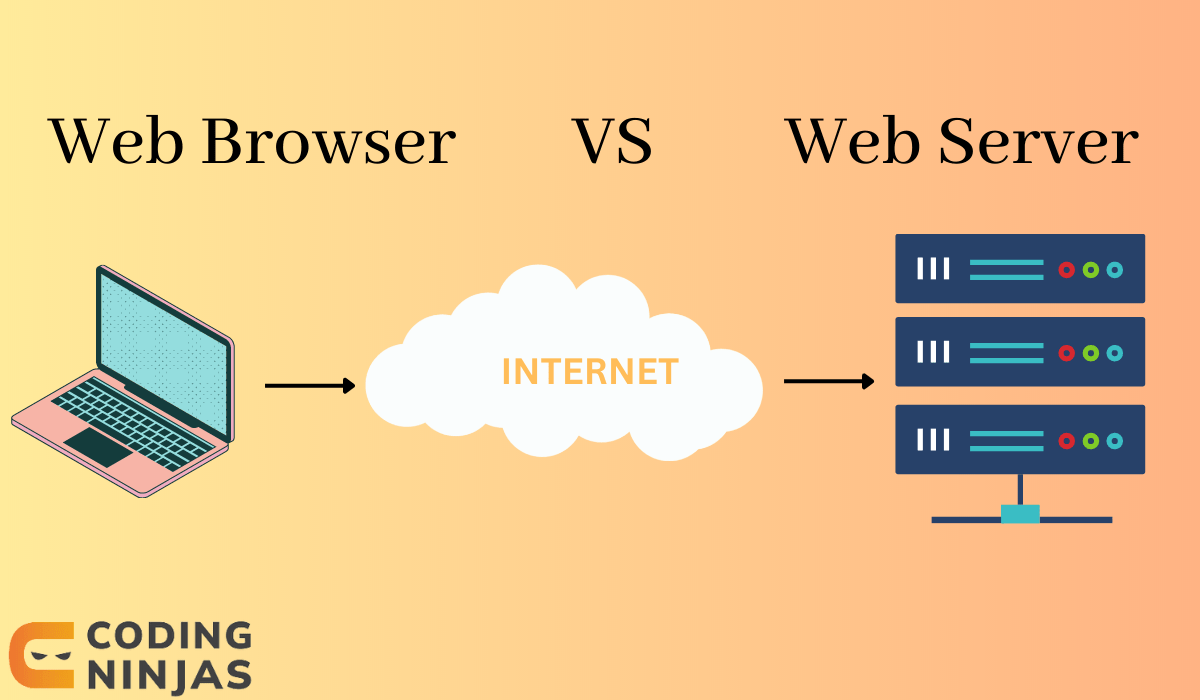 Current **Website Trends** show a move away from isolated alerting and toward end-to-end observability. Instead of asking only whether a page is up, organizations want to know which deployment, API dependency, or third-party widget caused the slowdown. This is especially important as websites rely on embedded analytics, payment processors, identity providers, and recommendation engines. The rise of edge computing and serverless architectures has also changed how teams think about availability. A static frontend on a CDN may stay online while a critical API in another region fails. That split makes synthetic checks and real-user monitoring more valuable than ever. Many companies are now pairing availability data with logs, traces, and session replays to diagnose issues in minutes rather than hours. ## Using Online Tools Without Creating Blind Spots There is no shortage of **Online Tools** for uptime checks, DNS lookups, SSL validation, performance audits, and status page management. The challenge is choosing tools that give enough context to act quickly. A good setup combines external checks with internal telemetry, so a 502 error is not just detected but traced back to an origin server, release version, or upstream dependency. A practical monitoring stack for small and mid-sized teams often includes: 1. A public uptime checker for basic availability 2. DNS and certificate monitors for infrastructure health 3. A performance analyzer for mobile and desktop benchmarks 4. Alert routing to email, Slack, or incident management systems 5. A status page to communicate downtime transparently ## Building a Monitoring Routine That Actually Works The most effective teams review trends weekly instead of reacting only to incidents. That means watching whether response times are drifting upward, whether certain regions are experiencing more timeouts, and whether a deployment pattern is introducing recurring errors. Over time, this turns monitoring from a defensive task into an engineering feedback loop. Organizations that mature in this area often establish thresholds based on business impact rather than raw technical limits. For example, a marketing site may tolerate brief latency spikes during off-peak hours, while a checkout flow may require far stricter alerts because every delay affects revenue. The best systems do not generate more noise; they generate better decisions.